This sunday riley luna for rosacea-prone skin over 40 review tackles the question women with mature, reactive skin actually want answered: does the trans-retinoic ester sleeping night oil deliver smoother texture and softer lines without triggering flushing, persistent redness, or barrier collapse? The short answer is nuanced. Luna's blue tansy and German chamomile cushion the retinoic ester, and many rosacea-prone users in their forties tolerate it two to three nights a week. But it is not universally gentle, and there are lower-risk luxury alternatives worth weighing before you commit to a full-size bottle.
What Sunday Riley Luna actually is
Luna Sleeping Night Oil is a deep blue, biphasic facial oil built around a trans-retinoic acid ester delivered in a base of avocado, blue tansy, German chamomile, and grapeseed oils. The ester is a stabilized derivative that converts gradually to retinoic acid on the skin, which is theoretically milder than prescription tretinoin while still hitting receptors directly without the multi-step conversion required by retinyl palmitate or even classic retinol. For women over 40, that direct receptor activity is the appeal: real collagen signaling, real cell-turnover acceleration, real long-term thinning of the stratum corneum's disorganized layers.
For rosacea-prone skin, that same potency is the problem. Rosacea sufferers already have compromised vascular reactivity, lower ceramide content, and an inflammatory threshold that any active can easily cross.
How sunday riley luna for rosacea-prone skin over 40 compares to gentler picks
If Luna stings, flushes, or simply costs more than you want to gamble, the lower-irritation luxury and clinical landscape has expanded considerably in 2026. The strongest alternatives use retinaldehyde, encapsulated retinol, or bakuchiol-retinol combinations in non-essential-oil bases. Here is how the most relevant options stack up:
| Product | Active | Strength | Rosacea-prone over 40 fit |
|---|---|---|---|
| Sunday Riley Luna | Trans-retinoic ester | Moderate | Conditional, essential oils may flare |
| Avene Retrinal Intensive | Retinaldehyde + niacinamide | Moderate | Excellent, formulated for sensitive |
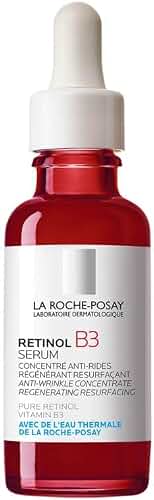
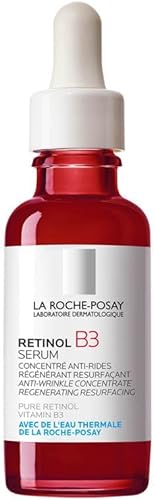
| La Roche-Posay Pure Retinol | Retinol + niacinamide | Low-moderate | Very good, dermatologist tested |
| Naturium Retinaldehyde 0.05% | Retinaldehyde | Moderate | Very good, cream serum buffer |
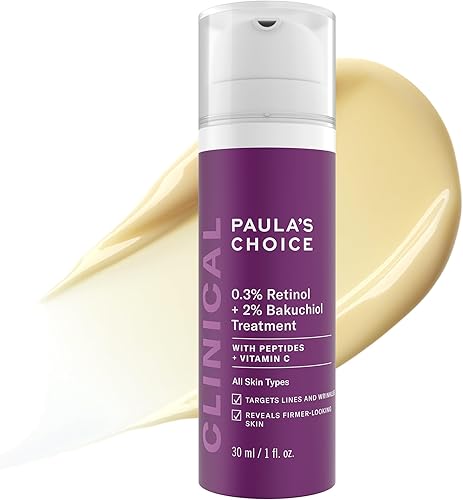
| Paula's Choice 0.3% Retinol + 2% Bakuchiol | Retinol + bakuchiol | Low-moderate | Good, fragrance-free |
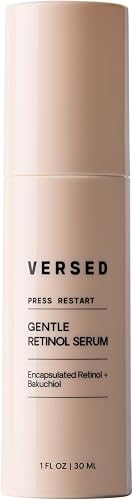
| Versed Press Restart | Bakuchiol-led gentle retinol | Low | Excellent for ultra-reactive |
Why mature, rosacea-prone skin behaves differently
By your forties, rosacea-prone skin is contending with two parallel issues. The first is intrinsic aging: slower keratinocyte turnover, declining hyaluronic acid synthesis, and reduced dermal collagen, especially after perimenopause. The second is chronic, low-grade neurogenic inflammation that drives flushing, papules, and the telangiectasias that creep across the cheeks and nose. Most off-the-shelf retinols make problem two worse while attempting to fix problem one.
What you want, then, is a retinoid that targets receptor-level remodeling without provoking TRPV1 activation, mast cell degranulation, or barrier disruption. That is a tall order. The relevant questions for Luna become: how concentrated is the active, how occlusive is the oil base, and how forgiving is the buffering blend?
The trans-retinoic ester verdict on reactive skin
In side-by-side use, Luna sits somewhere between a 0.3 percent encapsulated retinol and a 0.025 percent prescription tretinoin in terms of perceptible activity. The oil format does two things at once. The lipid base reduces transepidermal water loss overnight, which buffers retinization stinging. But it also occludes, which traps heat against vasodilated cheeks and can intensify the warm, flushed feeling many rosacea sufferers wake up with.
Real-world tolerance among the over-40, rosacea-prone cohort tends to fall into three camps. About a third tolerate Luna two to three nights a week with no flare escalation. Another third get noticeable benefit but only after buffering with a ceramide cream first or short-contact application. The final third experience persistent stinging, papule clusters around the nasolabial folds, or a rebound flush that lasts into the next morning. The essential oils (blue tansy, chamomile) are typically the culprits in the third camp.
Sunday Riley Luna: pros and cons for rosacea-prone over 40
What works: The ester delivers receptor-level activity without the immediate sting of free retinoic acid. The oil format suits the drier, thinner skin of perimenopausal women better than alcohol-based serums. Texture refinement (smoother cheeks, softer perioral lines) shows up around week six in tolerators.
What doesn't: Blue tansy and chamomile essential oils, while soothing for some, are sensitizers for others. The price point is steep for a product that may need to live in the rotation only twice weekly. There is no SPF coupling, and post-Luna mornings demand a non-negotiable mineral sunscreen because the ester thins the upper barrier just like any retinoid.
Avene Retrinal Intensive Multi-Corrective Cream
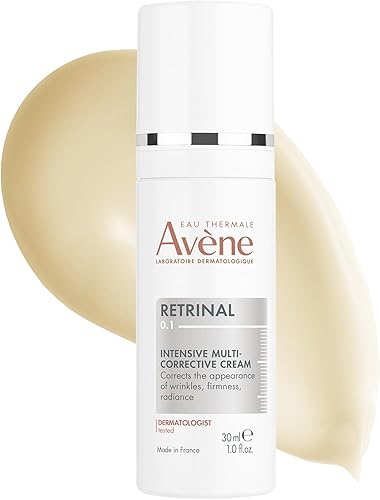
Avene's retinaldehyde formula is arguably the single best alternative for someone who wants Luna's results without Luna's flare risk. Retinaldehyde sits one metabolic step away from retinoic acid, meaning it works more efficiently than retinol but with a measurably lower irritation index in published comparative studies. The pairing with niacinamide and hyaluronic acid actively suppresses the vascular reactivity rosacea-prone skin contends with. Avene's spring water base further dampens sensory irritation. For women over 40 navigating both elastosis and persistent redness, this is the closest thing to a purpose-built option. Avène Retrinal Intensive Multi-Corrective Cream.
La Roche-Posay Pure Retinol Face Serum
If you want a recognized dermatologist favorite that has been benchmarked specifically on sensitive skin, La Roche-Posay's pure retinol serum is the safer landing pad. The formulation pairs pure (non-encapsulated) retinol with niacinamide and hyaluronic acid, in a thermal-spring-water base that the brand has used for decades on rosacea and post-procedure skin. The texture is light and water-thin, which avoids Luna's occlusive heat-trap problem for women who flush easily at night. Start two nights a week, sandwich between moisturizer layers if needed. La Roche-Posay Pure Retinol Face Serum with Niacinamide (Vitamin B3) &.
Naturium Retinaldehyde Cream Serum 0.05%
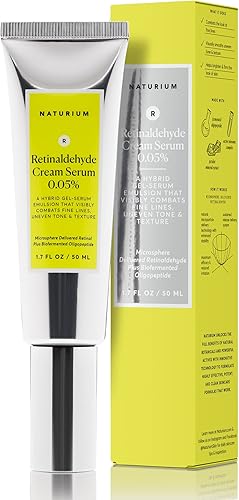
Naturium's retinaldehyde is the value play in this category and a credible Luna substitute. The 0.05% concentration is meaningful (retinaldehyde at this level rivals 0.3% retinol in activity) but the cream-serum vehicle buffers delivery. Notably, it skips the essential-oil sensitizers that knock Luna out for so many rosacea sufferers. The trade-off is a less elegant sensorial experience compared to Sunday Riley, but the actual skin outcome for reactive over-40 skin is frequently better. Naturium Retinaldehyde Cream Serum 0.05%.
Paula's Choice CLINICAL 0.3% Retinol + 2% Bakuchiol
Bakuchiol pairings deserve serious consideration on rosacea-prone skin because bakuchiol has independent retinoid-pathway activity without the irritation profile. Paula's Choice combines it with a moderate retinol dose, ceramides, hyaluronic acid, and vitamins C and E. The fragrance-free formula is purposeful: this is engineered for the exact reader of this review. For women who tried Luna and felt the heat-flush mornings, this is a frequent and successful step-down. Paula's Choice CLINICAL 0.3% Retinol + 2% Bakuchiol Face Serum Treatment.
Versed Press Restart Gentle Retinol Serum
If your rosacea is on the more reactive end, or you have failed two or three retinoid attempts already, Versed's bakuchiol-forward gentle formula is a sensible entry point that still moves the needle. It is the lowest-irritation option on this shortlist and the most affordable, which lets you test tolerance without committing to a premium bottle that may end up in the drawer. Use it as a tolerance-building stepping-stone before retrying Luna or moving up to Avene Retrinal. Versed Press Restart Gentle Retinol Serum.
How to test Luna without triggering a rosacea flare
If you still want to try sunday riley luna for rosacea-prone skin over 40 after reading all this, the protocol matters. Start with a barrier-loading week: thick ceramide moisturizer twice daily, no actives, no exfoliants. Then introduce Luna as a short-contact application on a Sunday night only: apply, leave on 30-45 minutes, rinse and moisturize. Watch for two mornings. If skin reads calm, expand to leave-on overnight every fourth night for two weeks, then twice weekly. Never apply on a flare day, post-wine, post-spicy food, or in the week before a major event. Mineral SPF 30+ daily is non-negotiable.
For deeper background on retinoid metabolism and barrier interactions, see our retinol myths versus facts breakdown. The piece covers a lot of the misconceptions that drive rosacea sufferers into bad starting protocols.
Where Luna sits in the luxury landscape for reactive over-40 skin
Sunday Riley occupies an interesting position. Less aggressive than Dr. Dennis Gross Ferulic + Retinol, gentler than Drunk Elephant A-Passioni, but distinctly less rosacea-friendly than Avene or La Roche-Posay clinical lines. If you compare it head-to-head with Murad's retinol family, Luna is the more aromatic, more occlusive sibling; Murad tends to be drier in feel. We have a more thorough Murad versus Sunday Riley comparison and a focused Luna versus Dr. Dennis Gross Ferulic Retinol matchup if you want a tighter view on the closest rivals.
For a broader survey of what works on reactive complexions, our best retinol serums for sensitive skin guide covers the full shortlist with clinical references.
Bottom line on sunday riley luna for rosacea-prone skin over 40
Luna can work, but it is a higher-risk pick for the rosacea-prone forties cohort than its marketing language implies. The essential-oil base is the most common flare trigger, the price point makes failed tolerance expensive, and several lower-risk options deliver comparable or better outcomes. If you have a quiet rosacea phenotype (mostly transient flushing, no papules) and a robust barrier, Luna two nights a week is a reasonable experiment. If your rosacea is papulopustular, telangiectasia-heavy, or actively flaring, start with Avene Retrinal or La Roche-Posay Pure Retinol and revisit Luna only after six months of established retinoid tolerance.
Frequently Asked Questions
Can Sunday Riley Luna cause rosacea to get worse?
Yes, it can. The essential oils (blue tansy, German chamomile) and the receptor-active retinoic ester can each independently trigger flushing, papule formation, or barrier disruption in reactive skin. Most users who flare report it within the first two weeks. Patch test for five nights on the jawline before applying to cheeks.
Is Luna safe to use during perimenopause when skin is thinner?
It can be, but technique matters. Perimenopausal skin has reduced ceramide content and slower repair, so the occlusive oil base is a double-edged sword (more buffering, more heat retention). Pair Luna with a robust ceramide moisturizer underneath, use only 1-2 nights per week initially, and prioritize the cheek and forehead application while avoiding the nasolabial folds and chin.
What is a gentler luxury retinol for rosacea-prone skin over 40?
Avene Retrinal Intensive is the closest like-for-like swap with a stronger sensitive-skin record. Retinaldehyde delivers comparable results to Luna's trans-retinoic ester with a measurably lower irritation index, and Avene's thermal-water base actively soothes vascular reactivity. La Roche-Posay Pure Retinol is the next-best clinically validated step-down.
Should I use Luna with niacinamide if I have rosacea?
Yes, layering niacinamide is one of the most evidence-backed strategies for tolerating any retinoid on rosacea-prone skin. A 4-5% niacinamide serum applied first, allowed to absorb, then Luna pressed over it, dampens vascular reactivity and supports barrier repair. Do not, however, combine it the same night as exfoliating acids or vitamin C.
How often can rosacea-prone over-40 skin actually tolerate Luna?
The realistic ceiling for most tolerators is two to three nights per week. Daily use is virtually never tolerated on rosacea-prone skin past 40. Many long-term users settle into a two-nights-weekly cadence indefinitely, which is sufficient for receptor-level remodeling without cumulative barrier damage.
What should I apply the morning after using Luna?
A bland ceramide moisturizer and a tinted mineral SPF 30+. Avoid vitamin C, AHAs, BHAs, or any physical exfoliation the morning after. If the cheeks read warm or pink, add an extra layer of moisturizer mid-day and skip makeup if possible. Caffeine and alcohol the same day will magnify any residual flush.
Is Luna better than prescription tretinoin for rosacea-prone skin?
Generally yes, in terms of tolerability, though tretinoin at very low strengths (0.0125%-0.025%) in cream vehicles can also work for some rosacea sufferers under dermatologist supervision. Luna's advantage is the buffered ester and oil base; tretinoin's advantage is documented long-term efficacy. For most over-40 readers without a derm prescription, the gentler retinaldehyde options (Avene, Naturium) outperform both in real-world tolerance.
Key Takeaways
- Choosing the right sunday riley luna for rosacea-prone skin over 40 means matching the key features to your specific needs and budget
- Read real customer reviews and check the return policy before you commit
- Also covers: luna sleeping oil rosacea
- Also covers: sunday riley luna sensitive redness
- Also covers: luna retinol mature rosacea skin
- Compare value across models — the priciest option is not always the best fit